
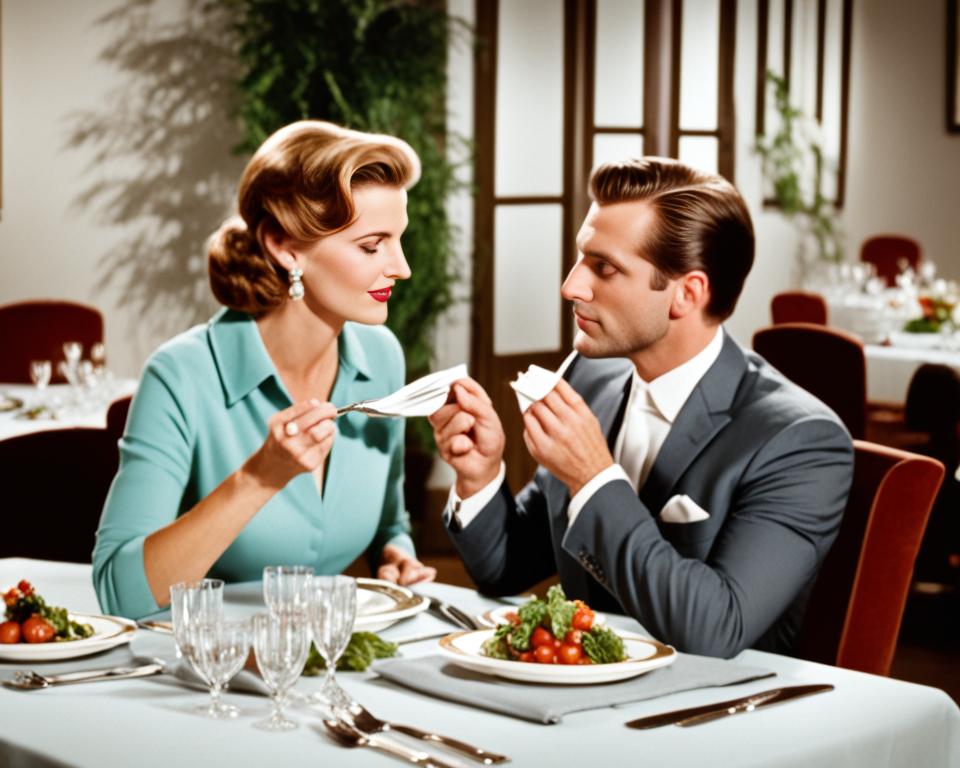
Welcome to our comprehensive guide on Dining Etiquette. In this article, we will provide you with essential tips and rules for mastering the art of fine dining. Whether you’re attending a business meal or an elegant gathering, understanding the proper dining etiquette will elevate your table manners. With our guidance, you’ll be able to leave a lasting impression at any dining event.
Proper dining etiquette plays a significant role in both personal and professional settings. It reflects your upbringing, professionalism, and respect for others. By practicing proper dining etiquette, you can create a positive impression and build lasting relationships.
The Importance of Dining Etiquette
In both personal and professional settings, proper dining etiquette plays a significant role. It goes beyond simply knowing which fork to use or how to hold a wine glass; it reflects your upbringing, professionalism, and respect for others. Practicing good table manners can make a lasting impression and help build strong relationships.
When you exhibit dining etiquette, it shows that you value the people you are dining with and care about their comfort. It demonstrates your consideration and thoughtfulness, which are essential qualities in any social or business setting.
Moreover, dining etiquette can greatly impact your professional image. In a business meal setting, being knowledgeable about the rules and expectations of proper dining etiquette can set you apart from your peers and make a positive impression on clients, colleagues, or superiors.
By mastering dining etiquette, you can navigate formal dinners with confidence, whether you’re attending an important business meeting, a networking event, or a formal gathering. It allows you to focus on building connections, engaging in meaningful conversations, and leaving a lasting impression on others.
“Good manners will open doors that the best education cannot.” – Clarence Thomas
Understanding the significance of dining etiquette and actively incorporating it into your dining experiences can help foster positive relationships, establish credibility, and enhance your overall social and professional success. It is a skill worth investing time and effort in mastering.
The Impact of Dining Etiquette on Personal and Professional Interactions
- Reflects your upbringing and values
- Shows respect for others
- Creates a positive impression
- Builds trust and rapport
- Enhances networking opportunities
Mastering dining etiquette is not just about following rules; it is about embracing a mindset of respect, consideration, and courtesy towards others. By paying attention to small details, practicing good table manners, and understanding cultural differences, you can navigate any dining scenario with grace and make a lasting impression.
Setting the Table
Setting a formal table is an essential part of creating an elegant dining experience. Whether you’re hosting a special occasion or participating in a formal event, knowing how to properly arrange the table sets the tone for the meal. In this section, we’ll guide you through the fundamentals of table etiquette and provide step-by-step instructions on setting a formal table.
Proper table etiquette encompasses several elements, including utensil placement, napkin arrangement, and table centerpiece selection. Each of these factors contributes to the overall ambiance and ensures that guests feel welcomed and cared for.
- Start by placing a tablecloth or table runner on the table. This creates a clean and elegant foundation for your table setting.
- Next, position your dinner plates at the center of each setting. The plates should be aligned with the chair’s edge and approximately one inch from the table’s edge.
- On the left side of the dinner plate, arrange the forks. The salad fork goes on the outer left, followed by the dinner fork closest to the plate. This placement indicates the order of usage during the meal.
- On the right side of the dinner plate, place the knife closest to the plate, followed by the soup spoon. The spoon should be positioned to the right of the knife.
- Add the dessert spoon and fork horizontally above the dinner plate, parallel to the table’s edge.
- Position the bread plate to the left of the forks and place a butter knife diagonally across the bread plate.
- Keep the water glass directly above the knife, slightly to the right. Additional glassware, such as wine or champagne glasses, should be arranged to the right of the water glass, if applicable.
Remember, a beautifully set table enhances the dining experience and shows your attention to detail. Whether hosting a formal dinner party or enjoying a special meal at home, mastering table etiquette ensures a sophisticated and enjoyable atmosphere for all.
Napkin Etiquette
In this section, we’ll focus on the proper use of napkins during a meal. Mastering napkin etiquette is an essential aspect of refined dining, as it demonstrates your understanding of table manners and proper dining etiquette.
When you first sit down at the table, take a moment to unfold your napkin and place it on your lap. Be sure to do this discreetly and without making any noise. Remember, your napkin should never be tucked into your collar or used as a bib.
Throughout the meal, use your napkin to gently dab your mouth or blot any spills that may occur. Always remember to blot, not wipe, as wiping can be seen as aggressive or messy.
Pro tip: Avoid using your napkin to wipe your face or blow your nose. If you need to attend to these matters, politely excuse yourself from the table.
When you need to leave the table temporarily, place your napkin loosely on the chair, indicating to the server that you will be returning. At the end of the meal, neatly fold your napkin and place it to the left of your plate.
Remember, napkin etiquette may vary slightly depending on the formality of the event. When in doubt, observe those around you and follow their lead.
Eating with Utensils
When it comes to dining etiquette, knowing how to handle and use utensils correctly is essential. Whether you’re enjoying a casual meal or attending a formal gathering, proper table manners show respect and enhance the overall dining experience. In this section, we’ll guide you through the intricacies of eating with different utensils, offering tips to help you navigate various courses with confidence.
Utensil Basics
Let’s start with the basics. In most formal dining situations, you’ll typically find a fork, knife, and spoon at your place setting. Dining etiquette dictates that you work from the outside in, using utensils based on the courses being served. For example, your salad fork will be on the outer left, while the dinner fork will be on the inner left.
When holding utensils, table manners require a gentle and comfortable grip. Rest the handle of the utensil between your thumb and index finger, while supporting it with your middle finger on the back. Your ring and pinky fingers can naturally curl inward. This proper hand positioning allows for optimal control and ease of use while eating.
Using Forks
Forks are versatile utensils that are commonly used for a wide range of dishes. In formal dining settings, you’ll encounter several types of forks. Let’s cover a few important ones:
- The salad fork: This smaller fork is typically used for appetizers and salads. It’s smaller than the dinner fork and located to the left of the plate.
- The dinner fork: Larger than the salad fork, the dinner fork is used for the main course. It’s positioned closest to the plate on the left side.
Using Knives and Spoons
“A well-executed slice requires proper handling of the knife.”
In formal dining settings, knives and spoons play essential roles in the overall dining experience. Here’s what you need to know:
- The dinner knife: Positioned to the right of the plate, the dinner knife is used for cutting meat and other main course items. Remember to hold the handle firmly and use a sawing motion when cutting.
- The soup spoon: Often the largest spoon at the table, the soup spoon is used for consuming soups and broths. Make sure to use it by scooping away from your body with the spoon facing upwards.
Remember, mastering proper dining etiquette takes practice and patience. By familiarizing yourself with the correct use of utensils, you’ll feel more confident and comfortable in any dining situation. Continue reading as we explore conversation and behavior at the table, another crucial aspect of refined dining.
Conversation and Behavior at the Table
When it comes to dining etiquette, proper conversation and behavior are just as important as knowing which fork to use. Attending a formal dining event requires a certain level of grace and poise, ensuring that you make a positive impression on those around you. Whether you’re participating in a business dinner or enjoying a fine dining experience, here are some essential tips to help you navigate social interactions with ease.
Maintain Proper Posture
Good posture is not only essential for your overall well-being but also plays a crucial role in dining etiquette. Sit up straight, with your shoulders relaxed and your back aligned against the chair. Avoid slouching or leaning on the table, as it can be perceived as disrespectful or unprofessional. By maintaining proper posture, you convey confidence and attentiveness to those you are dining with.
Engage in Meaningful Conversation
The art of conversation is a vital aspect of any dining experience. Engage in meaningful discussions with your dining companions, keeping the conversation light and enjoyable. Avoid controversial topics such as politics or religion, as they may lead to uncomfortable situations. Instead, focus on common interests or current events that can foster a positive atmosphere at the table. Remember to be an active listener, showing genuine interest in what others have to say.
Respect Personal Boundaries
Respecting personal boundaries is crucial during a formal dining event. Avoid interrupting others while they are speaking and give everyone a chance to contribute to the conversation. Be mindful of your volume and avoid speaking too loudly, as it can disturb the ambiance of the dining venue. Additionally, avoid reaching across the table for items and instead request them to be passed to you.
“A good conversation is like a well-prepared dish; it leaves a lasting impression on everyone present.”
Be Mindful of Body Language
Your body language speaks volumes, even when you’re not saying a word. Maintain eye contact with the person speaking to show attentiveness and respect. Avoid crossing your arms, as it can be seen as defensive or closed off. Additionally, be aware of your hand gestures, ensuring they are minimal and appropriate for the setting.
Appreciate the Dining Experience
Lastly, take the time to appreciate the dining experience. Show gratitude towards your hosts or servers for the effort they put into creating a memorable meal. Express appreciation for the flavors, presentation, and ambiance, as it demonstrates your understanding and respect for the art of fine dining.
By following these etiquette tips, you’ll be sure to leave a lasting impression with your impeccable manners and engaging conversation. Remember, dining etiquette is not just about following rules; it’s about creating a pleasant and harmonious atmosphere for all those at the table.
Toasting and Wine Etiquette
In the world of fine dining, knowing how to properly toast and handle wine etiquette is essential. These timeless traditions add an elegant touch to celebratory moments and formal gatherings. In this section, we’ll explore the dos and don’ts of toasting and wine etiquette, ensuring you can confidently partake in these special occasions.
The Art of Toasting
A toast is a symbolic gesture that brings people together in celebration or recognition. Whether it’s a wedding, anniversary, or professional event, proposing a toast requires finesse and tact. Here are some key points to keep in mind:
- Choose your words thoughtfully: When proposing a toast, take a moment to consider the occasion and the individuals involved. Craft a heartfelt message that honors the event and expresses your sincere wishes or gratitude.
- Raise your glass: As you make your toast, raise your glass slightly above eye level, holding it firmly but not clinking it against others. Maintain eye contact with the audience and be mindful of your body language, reflecting warmth and genuine appreciation.
- Avoid excessive alcohol consumption: While toasting, remember that moderation is key. Partake in the celebratory drink, but do not indulge to the point of losing your composure or impairing your ability to engage in polite conversation.
Mastering Wine Etiquette
In fine dining establishments, an extensive wine menu often accompanies the meal. Knowing how to navigate through the choices and handle your wine glass with finesse can enhance your overall dining experience. Here are some wine etiquette guidelines to keep in mind:
- Holding the wine glass correctly: When enjoying wine, hold the glass by its stem, not the bowl. This ensures that the temperature of the wine remains consistent and prevents fingerprints from appearing on the glass.
- Navigating the wine menu: If you find yourself overwhelmed by the choices on the wine menu, don’t hesitate to seek guidance from the sommelier or knowledgeable staff. They can offer recommendations based on your taste preferences and menu selection.
- Proper wine tasting techniques: When tasting wine, follow the four-step process of observing, swirling, sniffing, and savoring. Take note of its appearance, bouquet, and flavors, appreciating the rich subtleties that each wine offers.
When participating in formal dining events, adhering to toasting and wine etiquette helps maintain an atmosphere of elegance and professionalism. These small gestures demonstrate respect for the occasion and those in attendance. So, the next time you raise your glass, remember the timeless customs that have elevated dining experiences throughout history.
Business Dining Etiquette
Mastering the art of business dining etiquette is crucial for making a positive impression and building stronger professional relationships. Whether you’re attending a formal business lunch or dinner, following these essential tips and guidelines will ensure a successful dining experience.
When it comes to seating arrangements, it’s important to be mindful of the hierarchy. The host or the most senior person usually takes the central position at the table, with the guest of honor placed to their right. As for ordering meals, it’s best to follow the lead of the host or the senior person and choose something of similar value or complexity. This avoids any potential awkwardness or imbalance.
Handling business-related conversations during a meal requires finesse. It’s important to strike a balance between discussing work matters and building personal connections. Use the opportunity to establish rapport and engage in meaningful conversation. Maintain proper table manners throughout the meal, ensuring you are attentive, respectful, and avoid any behaviors that may distract from the purpose of the gathering.
By mastering business dining etiquette, you will not only showcase your professionalism but also demonstrate respect for your colleagues and clients. Remember, dining etiquette is more than just knowing which fork to use – it’s about creating a comfortable and conducive environment for successful business interactions.
